
Discover the deep history, unique flavors, and surprising facts behind one of India’s most vibrant and spicy culinary traditions.

How Rayalaseema Food Got Its Fiery Kick: 7 Surprising Facts
Quick Answer:
Rayalaseema food is notoriously spicy due to a convergence of factors: the region’s hot climate, encouraging perspiration, ample local red chili production (Guntur and Byadgi varieties), a historical shift towards chilies post-Portuguese introduction, and a deeply ingrained cultural preference for bold, tangy, and hot flavors.
The Fiery Heart of Andhra: What is Rayalaseema Cuisine?
Rayalaseema. The very name conjures images of sun-baked earth and vibrant, unapologetically spicy food. It is a land where flavors are intense, tangy, and undeniably bold. Yet, to reduce Rayalaseema cuisine to mere spiciness is to miss the forest for the trees.
Beyond the fiery curries and “karam” dosas lies a diverse culinary landscape, reflecting the region’s varied geography and vibrant traditions. Think of it as a painter’s palette, where the dominant hue is a blazing red, but with subtle strokes of earthy browns, sour greens, and even delicate sweetness. Millets like ragi and jowar form the foundation, complemented by rice and a delightful array of vegetarian and non-vegetarian dishes. And then there are the pickles, legendary in their own right, each a concentrated burst of flavor.
A Dash of History: The Ancient Roots of Rayalaseema’s Spice
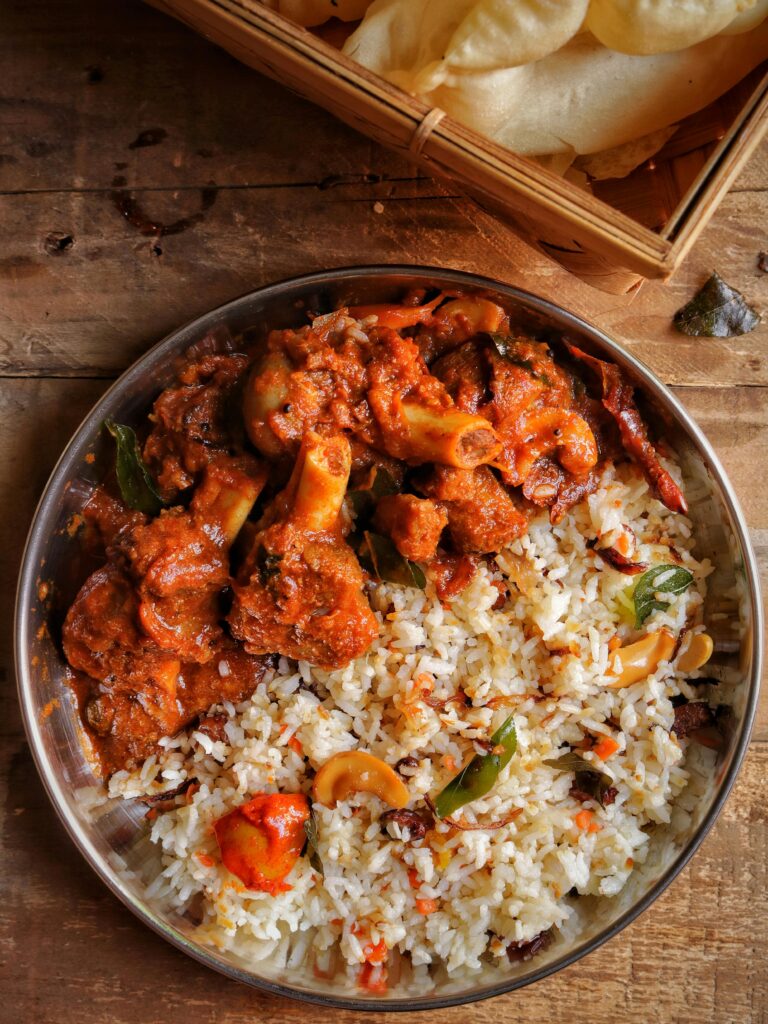
Let’s journey back in time. Before the arrival of the fiery red chili, what gave Indian food its characteristic kick? The answer lies in the aromatic trio of black pepper, ginger, and mustard seeds. Tamarind, that puckeringly sour fruit, provided the necessary tang. It was a different kind of spice, perhaps more subtle, more nuanced, but no less integral to the culinary landscape. Consider this as traditional South Indian cooking.
Then came the Portuguese traders in the 16th century, bearing gifts – though perhaps unintentionally – of the New World: tomatoes, potatoes, and, most significantly, the red chili. This humble fruit, Capsicum annuum, was about to change the Indian culinary landscape forever.
But why did Rayalaseema embrace the chili with such fervor? Several factors seem to have converged. Firstly, the region’s hot, arid climate made people believe that spicy food helped cool the body by inducing perspiration. Secondly, in a land where refrigeration was scarce, spices acted as natural preservatives. Thirdly, the fertile red soil proved ideal for chili cultivation, leading to an abundant and affordable supply. The local Guntur and Byadgi chili varieties, in particular, flourished.
Most importantly, Rayalaseema already possessed a palate predisposed to strong, tangy tastes. The chili simply amplified these existing preferences. Over generations, this enthusiastic adoption transformed into a cherished culinary identity, a badge of honor worn with every fiery bite.
Beyond the Burn: Unpacking Rayalaseema’s Complex Flavor Profile
The backbone of Rayalaseema cuisine is undoubtedly the red chili, lending not only heat but also a vibrant color to many dishes. But the flavor story is far more complex. Tamarind and gongura, a sour leafy green, provide a tangy counterpoint. Earthy millets add a rustic depth. And then there’s the arsenal of whole spices – coriander, cumin, mustard seeds, fenugreek – each contributing its unique note to the symphony of flavors.
The cuisine boasts a number of iconic dishes. Ragi Sankati with Naatu Kodi Pulusu is a classic pairing, the bland millet porridge serving as the perfect foil to the intensely spiced country chicken curry. Kadapa Karam Dosa is a spicy breakfast hero, a thin, crispy crepe slathered with fiery red chili chutney. Pachi Pulusu, a raw tamarind soup, offers a surprising balance of sweet, sour, and spicy. And then there’s Gongura Pachadi, the sour leaf chutney that packs a serious punch. This recipe is similar to exploring regional Indian pickles.
The magic lies in the art of balance. Rayalaseema chefs expertly weave in sour, savory, and even sweet notes to create a “burst of flavors” rather than just extreme heat. It’s a testament to their culinary skill, a constant negotiation between fire and finesse.
The Great Spice Debate: Consumer Expectations vs. Culinary Reality
Ask the average person what they know about Rayalaseema food, and they’ll likely mention its intense spiciness. Vibrant red curries and “Karam dosas” have cemented this perception in the public consciousness.
However, culinary specialists and home chefs often argue against the stereotype that all dishes are overwhelmingly spicy. They emphasize the importance of balanced spice blends, the use of fresh chilies for flavor rather than just heat, and the inclusion of ingredients like coconut to temper the fire. Some argue that restaurant versions often “drown” dishes in chili powder, distorting the authentic flavors.
Ultimately, perception plays a significant role. The mere expectation of spice can influence the dining experience, intensifying the perceived heat.
Spicy & Healthy? The Rayalaseema Edition
Here’s some good news for spice lovers: capsaicin, the compound responsible for the chili’s heat, boasts several potential health benefits. Studies suggest it can boost metabolism, aid in weight management, promote heart health by reducing LDL cholesterol, and provide anti-inflammatory and antioxidant properties. Surprisingly, some research even points to gut health advantages and a link to longevity in frequent spicy food consumers. These health benefits can also be achieved by having benefits of millet-based diets.
However, it’s crucial to tread carefully. Excessive spice consumption can lead to digestive discomfort, aggravate existing conditions like GERD or IBS, and even trigger acute reactions. It’s essential to know your limits and enjoy spice in moderation.
Future Flames: What’s Next for Rayalaseema’s Culinary Scene?
Rayalaseema cuisine is poised for greater recognition on a wider stage. The growing interest in regional Indian food, coupled with the rise of culinary tourism, is creating opportunities for authentic Rayalaseema flavors to shine.
The millet renaissance is also playing a crucial role. Traditional, nutritious millets are making a comeback, inspiring new, health-conscious dishes that celebrate the region’s agricultural heritage.
Chefs are finding innovative ways to adapt and modernize dishes while staying true to their roots. There’s a growing emphasis on local produce, from diverse chilies to fresh seafood, further shaping the cuisine’s identity. The farm-to-table focus ensures that the flavors remain vibrant and authentic.
FAQs: Your Burning Questions Answered
Q: Is all Rayalaseema food spicy?+
A: While famous for its heat, not all Rayalaseema dishes are overwhelmingly spicy. Culinary experts emphasize a balance of flavors, with some dishes offering nuanced heat and others, like Pachi Pulusu, being sweet and sour too.
Q: What are some famous Rayalaseema spicy dishes?+
A: Popular spicy dishes include Ragi Sangati served with Naatu Kodi Pulusu (country chicken curry), Kadapa Karam Dosa, Uggani with Mirchi Bajji, and Gongura Pachadi.
Q: Where do Rayalaseema chilies come from?+
A: Rayalaseema, located in Andhra Pradesh, is a major producer of red chilies, with famous local varieties like Guntur and Byadgi chilies significantly contributing to the cuisine’s spice.
Q: Can spicy food be healthy?+
A: Moderate consumption of spicy food can offer health benefits such as boosting metabolism, improving heart health, and providing anti-inflammatory effects. However, excessive intake may cause digestive discomfort for some.
Q: What makes Rayalaseema food unique?+
A: Its unique blend of intense spiciness, tanginess (from tamarind and sour leaves like gongura), the staple use of millets, rustic cooking techniques, and a rich cultural heritage rooted in its climate and agricultural practices.
Conclusion
Rayalaseema cuisine’s journey, from historical influences to modern adaptations, is a captivating tale of flavor, tradition, and innovation. While its signature spice remains a defining characteristic, it’s crucial to remember that there’s more to this cuisine than just heat.
It’s a testament to the region’s resourcefulness, its culinary ingenuity, and its deep-rooted cultural identity. So, I encourage you, embark on your own culinary adventure and explore the vibrant and varied flavors of authentic Rayalaseema food. You might just discover that the fire is only the beginning.