
This guide explores Organic Rayalaseema food, defined as traditional cuisine from the Rayalaseema region of Andhra Pradesh, India, prepared using ingredients cultivated and processed according to certified organic farming practices. This ensures food is free from synthetic pesticides, fertilizers, and additives, emphasizing authentic flavors and village-style cooking methods.

The Essence of Organic Flavors
1. The Essence of Organic Rayalaseema Food
- Purity and Tradition: Deeply rooted in the soil, celebrating flavors from sun-drenched fields and generations of culinary wisdom.
- Meaning of “Organic”: Nurturing earth and bodies, free from synthetic pesticides, GMOs, hormones, or antibiotics, adhering to stringent organic standards.
- Cuisine Characteristics: Robust flavors, fiery dance of spices, reliance on hardy grains. Highlights resourcefulness. Key flavor components: organic Guntur and Byadgi chilies, tamarind, local greens (gongura, chintachiguru), creating spicy and tangy profile.
2. Historical Roots of Organic Village Food
- Ancient Origins: Before industrial agriculture, all farming was inherently organic, in harmony with nature.
- Timeless Techniques: Crop rotation, natural pest control, organic fertilizers (manure).
- Dawn of Cooking: Open fires, clay pots for slow-cooking stews and grains.
- Rayalaseema’s History and Cuisine:
- Deccan Plateau Influence: Hot, dry climate led to drought-resistant millets as diet foundation.
- Vijayanagara Kingdom Impact: Experimentation with new ingredients and techniques.
- Millets as Staples: Ragi, Jowar, Sajja central for centuries, thriving in arid conditions, providing nutrients.
3. Defining Organic Rayalaseema Food
Certified Organic & Delicious
Adheres to strict organic standards, prohibiting synthetic chemicals, GMOs, hormones, and antibiotics, ensuring delicious, nourishing, and safe food.
Fiery Flavor Profile
Achieved through organic Guntur and Byadgi chilies, tamarind, and local greens like gongura and chintachiguru.
Millets & Indigenous Grains
Organically grown ragi, jowar, and sajja are nutritional powerhouses, offering fiber, minerals, and antioxidants, and are climate-resilient.
Village-Style Cooking
Traditional techniques like slow-cooking in clay pots, hand-mashing dals (“Pappu gutti”), and authentic tempering preserve flavor and nutrients.
Ethical Non-Vegetarian
For dishes like Naatu Kodi Pulusu, commitment extends to ethically raised, organic-fed livestock, ensuring humane and sustainable production.
Timeless Techniques, Modern Palates
4. Modern Palates and Traditional Tastes: Opinions and Debates
Reasons for Embracing Organic Rayalaseema Food:
- Health: Consumers seek healthier, safer, chemical-free options.
- Authenticity: Craving authentic flavors and cultural connections.
- Bridging the Gap: Educated and health-conscious consumers driving demand for traditional organic foods.
Controversies Around Rayalaseema Cuisine:
- Spice Factor: Debate on “excessively spicy” vs. nuanced balance.
- Distinct Identity: Concerns about being overshadowed by “Andhra food.”
- Organic Paradox: Challenges: higher prices, limited awareness, supply chain issues.
5. Cultivating the Future: Developments and Sustainability
Future Trends:
- Return to Natural Farming: Chemical-free practices, direct farmer-to-consumer sales.
- Horticulture Hub: Vision for Rayalaseema as a major organic horticulture & food processing center.
- Reviving Culinary Heritage: Preserving traditional recipes and ingredients.
- Millets Leading the Way: Focus on millets for nutrition and climate resilience.
Sustainability Contributions:
- Environmental Stewardship: Reduced chemical runoff, improved soil health, boosted biodiversity.
- Economic Empowerment: Supporting local farmers, strengthening communities.
- Preserving Agricultural Diversity: Safeguarding valuable genetic resources.
6. Must-Try Organic Rayalaseema Dishes
Wholesome Staples
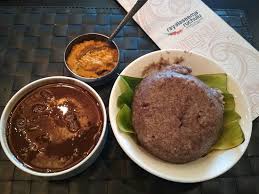
Ragi Sangati
Nutritious millet ball, often paired with spicy curries.
Jonna Rotte
Hearty sorghum flatbread, a staple providing sustenance.
Flavorful Curries & Tangy Delights
Naatu Kodi Pulusu
Spicy country chicken stew with organic ingredients.
Pulusu
Tangy stews using tamarind and organic vegetables.
Gongura Pappu
Dal made with organic sorrel leaves, tangy & nutritious.
Traditional Snacks & Sweets
Uggani with Mirchi Bajji
Puffed rice dish with chili fritters.
Bhakshyalu/Bobbatu
Sweet lentil flatbreads for special occasions.
Frequently Asked Questions
What is Organic Rayalaseema food?
Traditional Rayalaseema cuisine prepared with ingredients grown without synthetic pesticides, fertilizers, GMOs, or artificial additives, adhering to certified organic standards.
Is Rayalaseema food excessively spicy?
Known for spiciness, but authentic dishes emphasize balanced heat and deep flavors using local organic chilies and spices.
Why are millets important in this cuisine?
Staple organic grains (ragi, jowar) due to the semi-arid climate, offering high nutritional value and promoting sustainable agriculture.
How can I source organic Rayalaseema ingredients?
Found in local organic markets, specialized organic stores, or directly from farmers practicing natural farming.
What are the environmental benefits of this food?
Reduces chemical runoff, enhances soil health, promotes biodiversity, and supports sustainable farming practices.
Conclusion: Embracing Organic Rayalaseema Food
Organic Rayalaseema food represents a profound connection between traditional village-style cooking and nature’s purity, a legacy of flavor and health. Its benefits extend to personal health, the well-being of local farmers, and environmental protection. This guide invites readers to savor this unique cuisine’s rich heritage and natural goodness, experiencing the true essence of traditional organic Andhra meals.